Ice Dam Removal in Seattle, WA
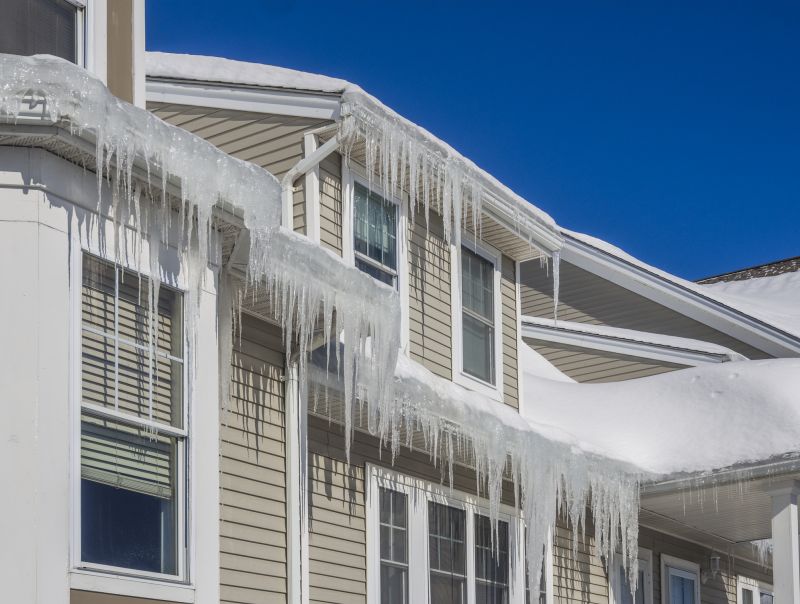
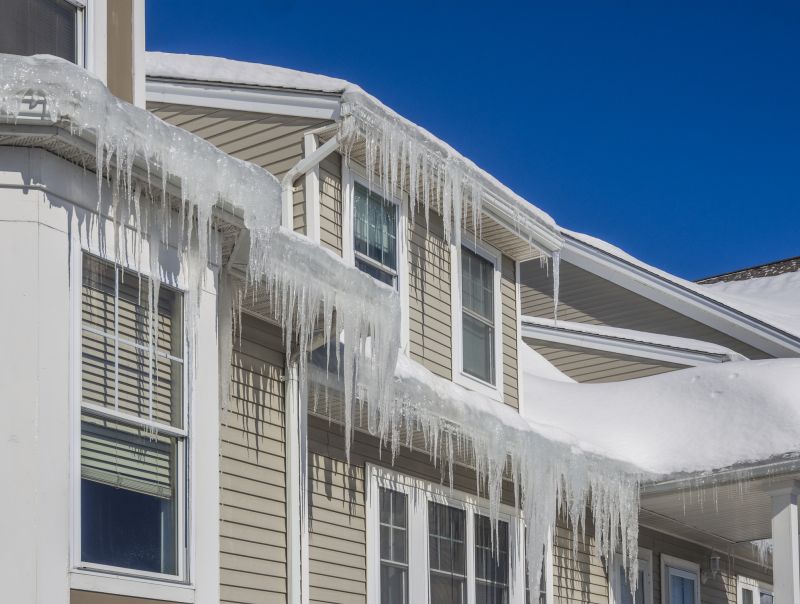
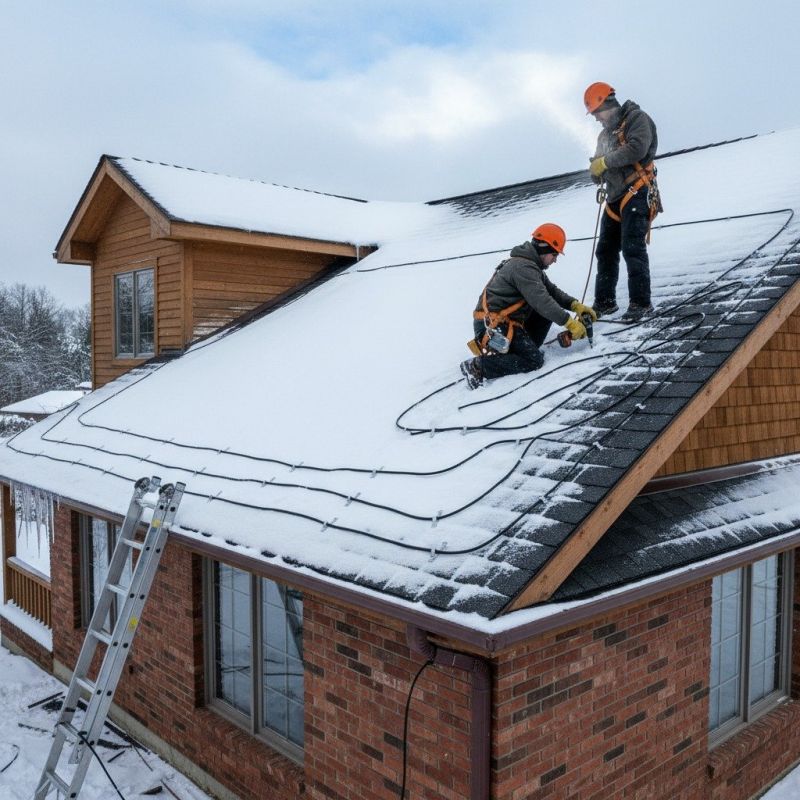
Ice dam removal services focus on addressing the buildup of ice formations that form along the edges of roofs during winter months. These ice dams can prevent melting snow from draining properly, leading to water seepage into the attic or interior of the home, which can cause damage to ceilings, walls, and insulation. The service involves carefully removing these ice formations to restore proper drainage and prevent potential water damage. Projects typically cover residential roofs of various sizes and styles, especially in areas prone to heavy snowfall or freezing temperatures.
Homeowners considering ice dam removal usually want to understand the methods used to safely clear ice buildup without damaging roofing materials, as well as the best timing for service to prevent issues. It’s also common to inquire about the potential causes of ice dams, such as insulation or ventilation problems, to determine if additional measures are needed to prevent future formations. Contacting a professional for assessment can help identify the most effective approach for maintaining roof integrity during winter months.
Many property owners in Seattle, WA look into Ice Dam Removal for repairs, replacements, upgrades, and appearance-related improvements.
Ice Dam Removal Services
Examples of ice dam removal work property owners may explore in seattle, wa.
Ice Dam Removal Updates
Common ways people refresh, improve, or restore ice dam removal features in seattle, wa.
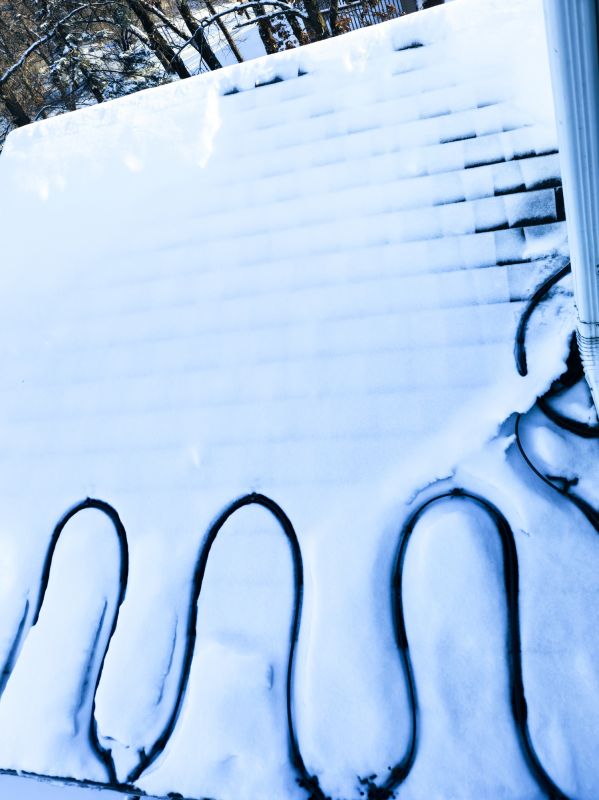
Ice Dam Removal Options
Different styles, layouts, and finishes people consider for ice dam removal in seattle, wa.
Ice Dam Removal in Seattle, WA
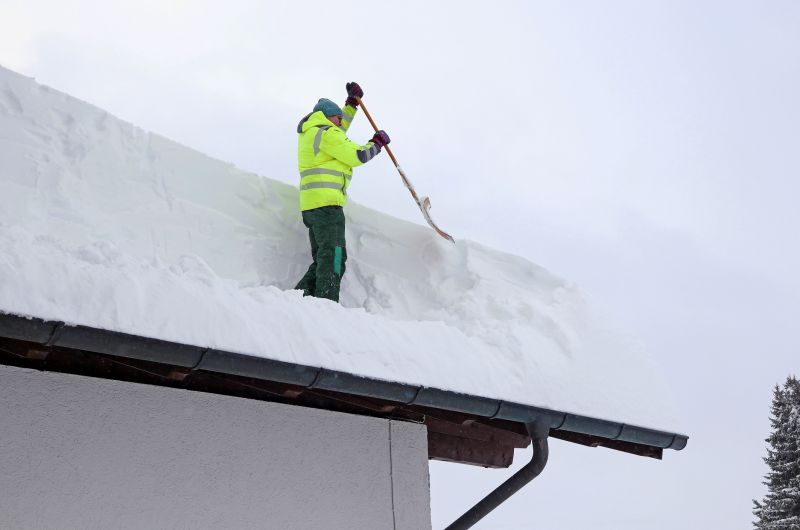
Ice dam removal services focus on addressing the buildup of ice formations that form along the edges of roofs during winter months. These ice dams can prevent melting snow from draining properly, leading to water seepage into the attic or interior of the home, which can cause damage to ceilings, walls, and insulation. The service involves carefully removing these ice formations to restore proper drainage and prevent potential water damage. Projects typically cover residential roofs of various sizes and styles, especially in areas prone to heavy snowfall or freezing temperatures.
Homeowners considering ice dam removal usually want to understand the methods used to safely clear ice buildup without damaging roofing materials, as well as the best timing for service to prevent issues. It’s also common to inquire about the potential causes of ice dams, such as insulation or ventilation problems, to determine if additional measures are needed to prevent future formations. Contacting a professional for assessment can help identify the most effective approach for maintaining roof integrity during winter months.
Many property owners in Seattle, WA look into Ice Dam Removal for repairs, replacements, upgrades, and appearance-related improvements.
Common Ice Dam Removal Jobs
Ice Dam Removal - clearing accumulated ice to prevent water backup and roof damage.
Ice Dam Prevention - identifying and addressing causes to reduce future ice buildup.
Roof Inspection - assessing the roof and attic for ice dam risks and damage.
Snow and Ice Removal - safely removing snow and ice from roof surfaces to minimize hazards.
Gutter Clearing - ensuring gutters are free of ice and debris to promote proper drainage.
Water Damage Repair - addressing leaks and damage caused by ice dam-related water intrusion.
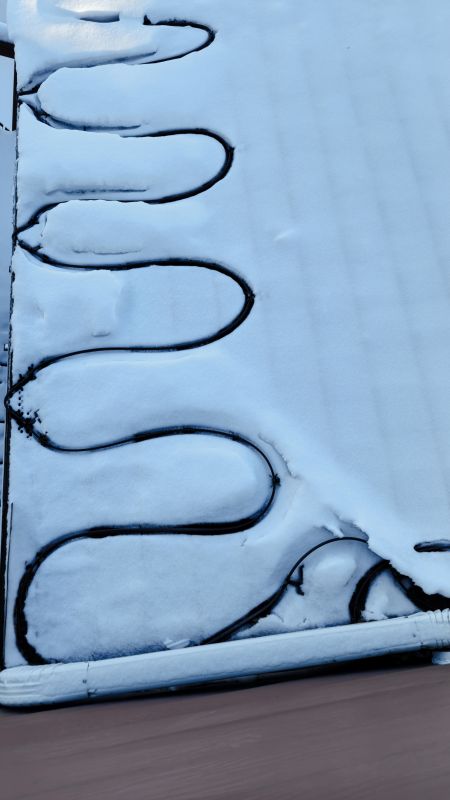
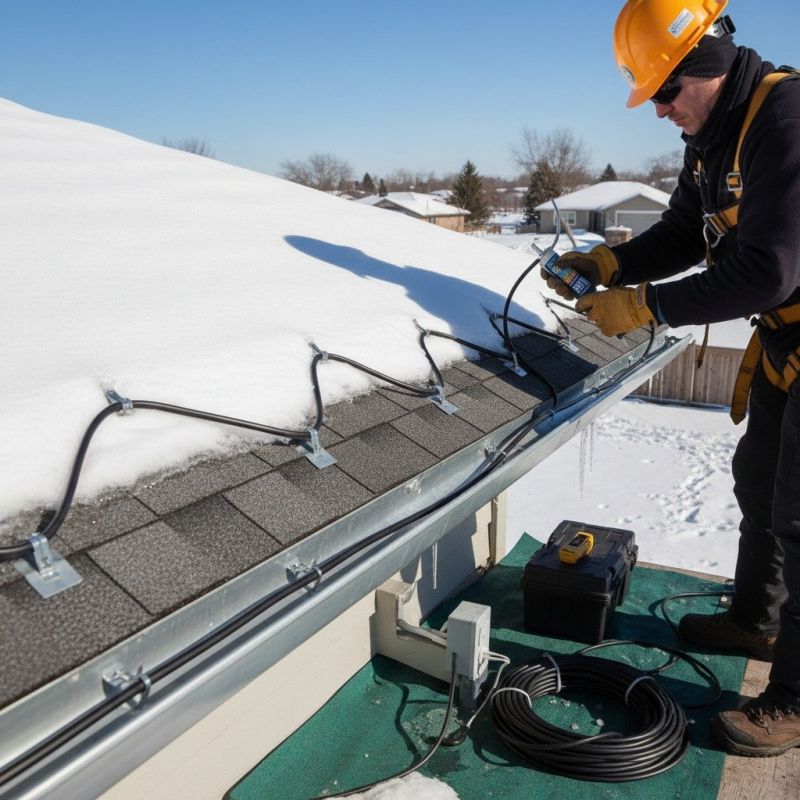
Ice Dam Removal Questions
What is an ice dam? An ice dam is a ridge of ice that forms along the edge of a roof, preventing melting snow from draining properly.
Why should ice dams be removed? Removing ice dams helps prevent water leaks, roof damage, and mold growth caused by trapped water.
How are ice dams removed? Ice dams are typically removed using specialized tools to safely break up the ice and allow proper drainage.
When is the best time for ice dam removal? The best time is during or after a snowstorm when ice buildup begins to form on the roof edge.
Request Ice Dam Removal in Seattle, WA
Use the quote form on this page to share the basics of your project and request more information for the type of work you need.